Automated Cable Ladder Production Line

A dual clinching station that eliminated downtime between operations.

Project Challenge

The original production process relied on a single clinching press. The operator manually loaded the components, moved them into the work area, and controlled the joining process itself. This procedure was time-consuming and limited both production capacity and the continuity of subsequent operations.

Input data and requirements

The objective was to eliminate downtime between individual operations and maximise the utilisation of both the operator’s working time and the equipment. We refined the concept with the customer in a 3D environment before production began.

2 x

CLINCHING PRESSES

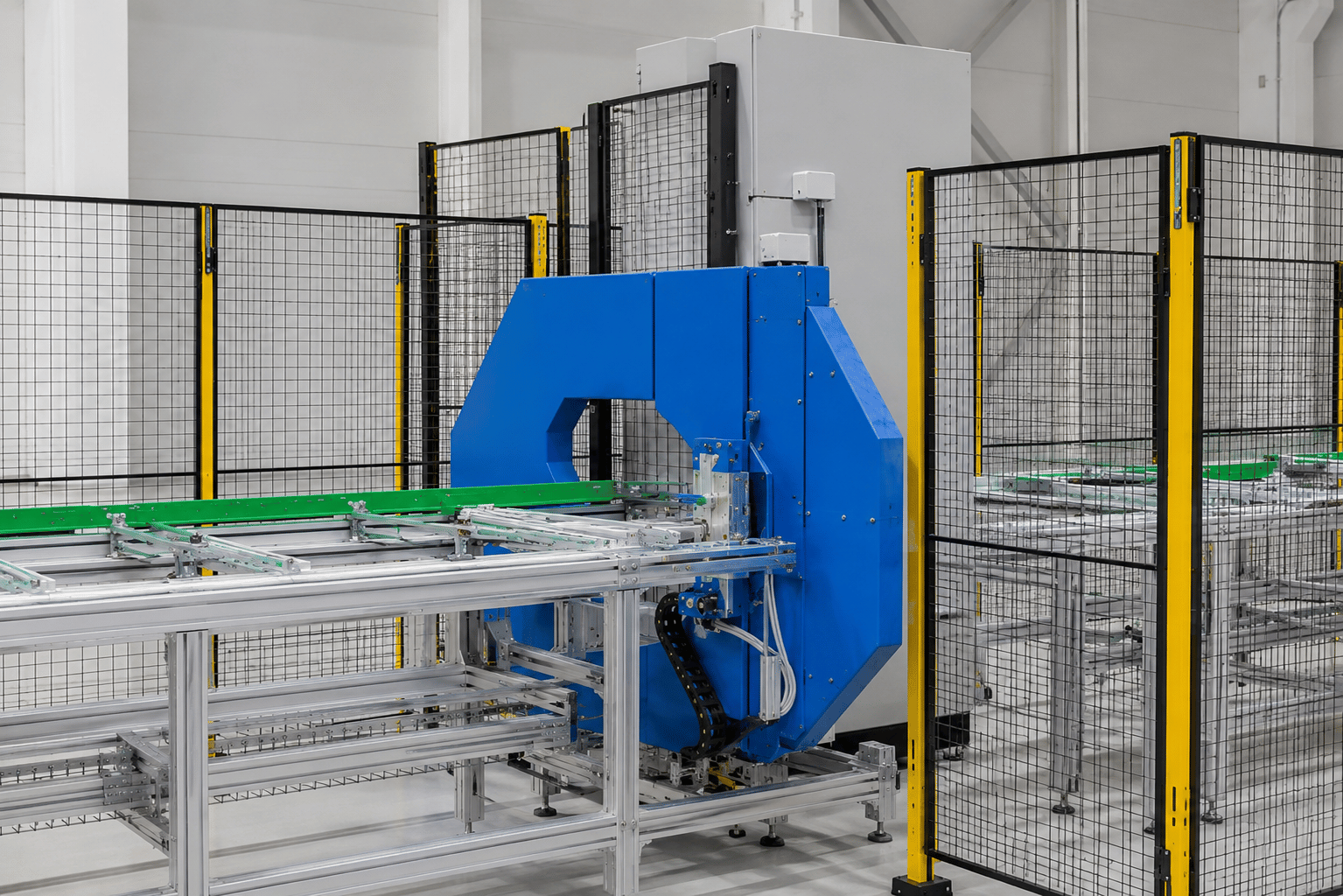
The presses are positioned opposite each other and operate alternately, ensuring that the equipment never has to wait for the operator.
2 x

PREPARATION TABLE

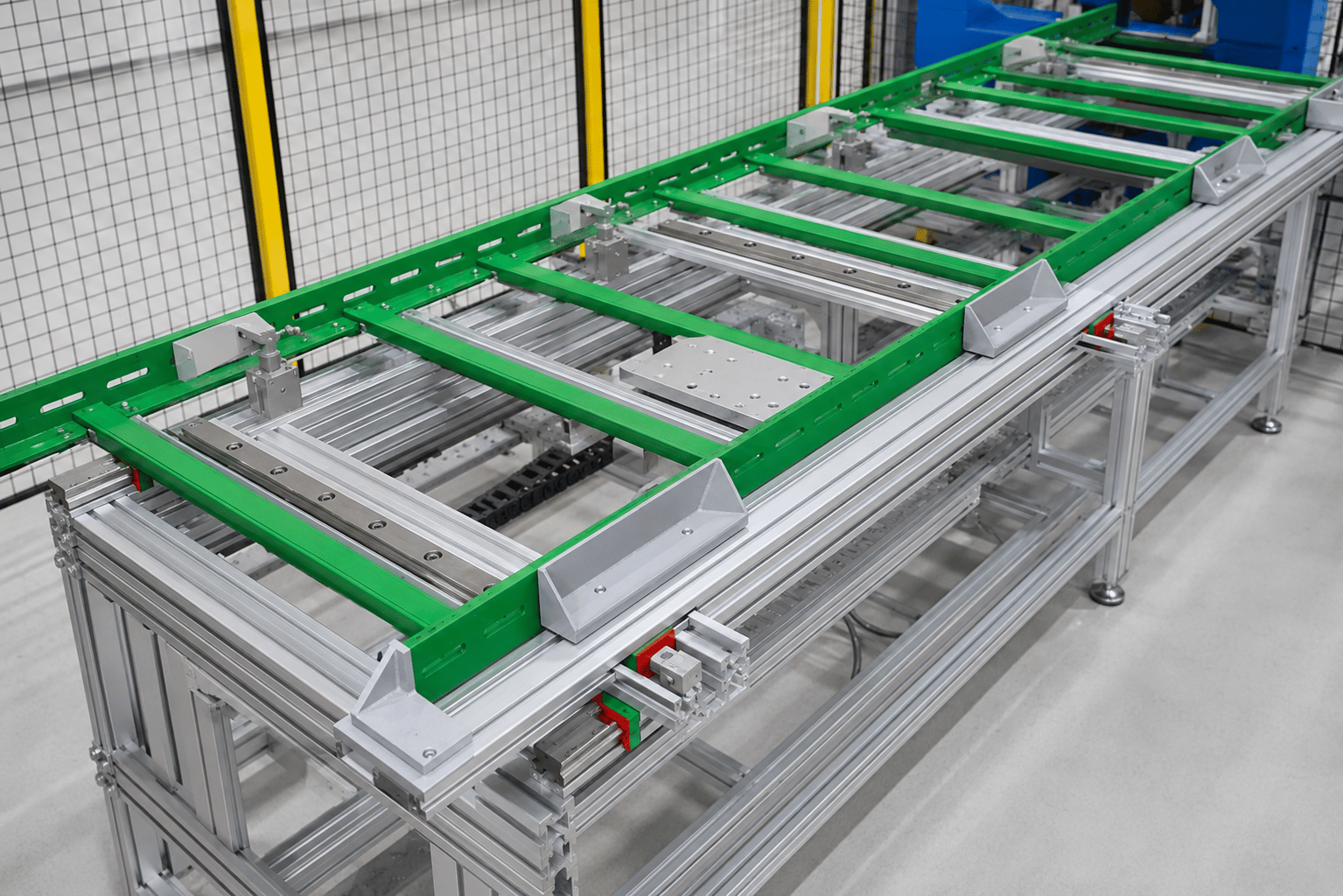
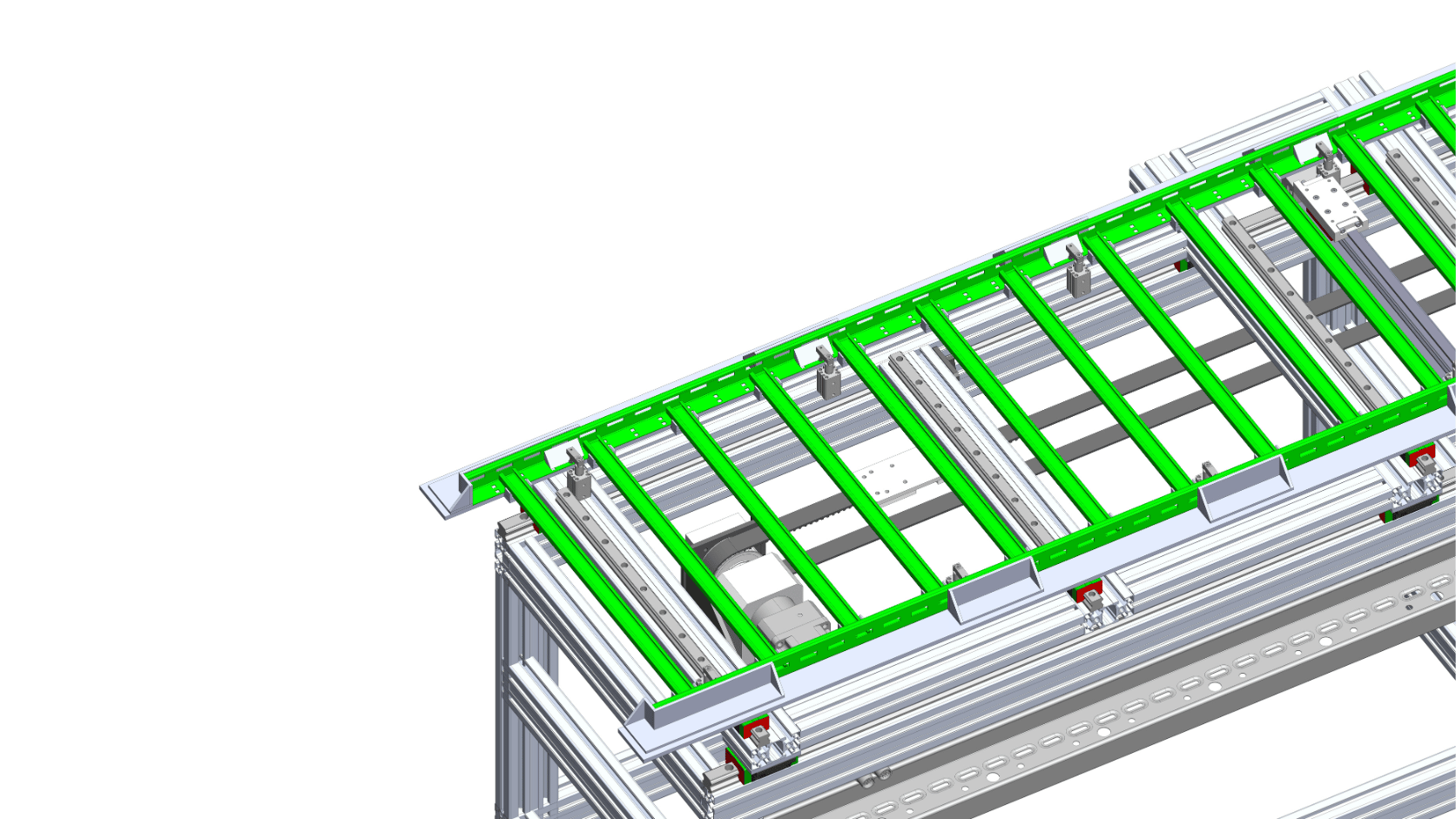
The tables move along linear guides between the presses—while one is in operation, components are loaded onto the other.
0 s

DOWNTIME BETWEEN OPERATIONS

The tables automatically switch positions once the cycle is complete, with no manual handling required.
CE

COMPLIANCE

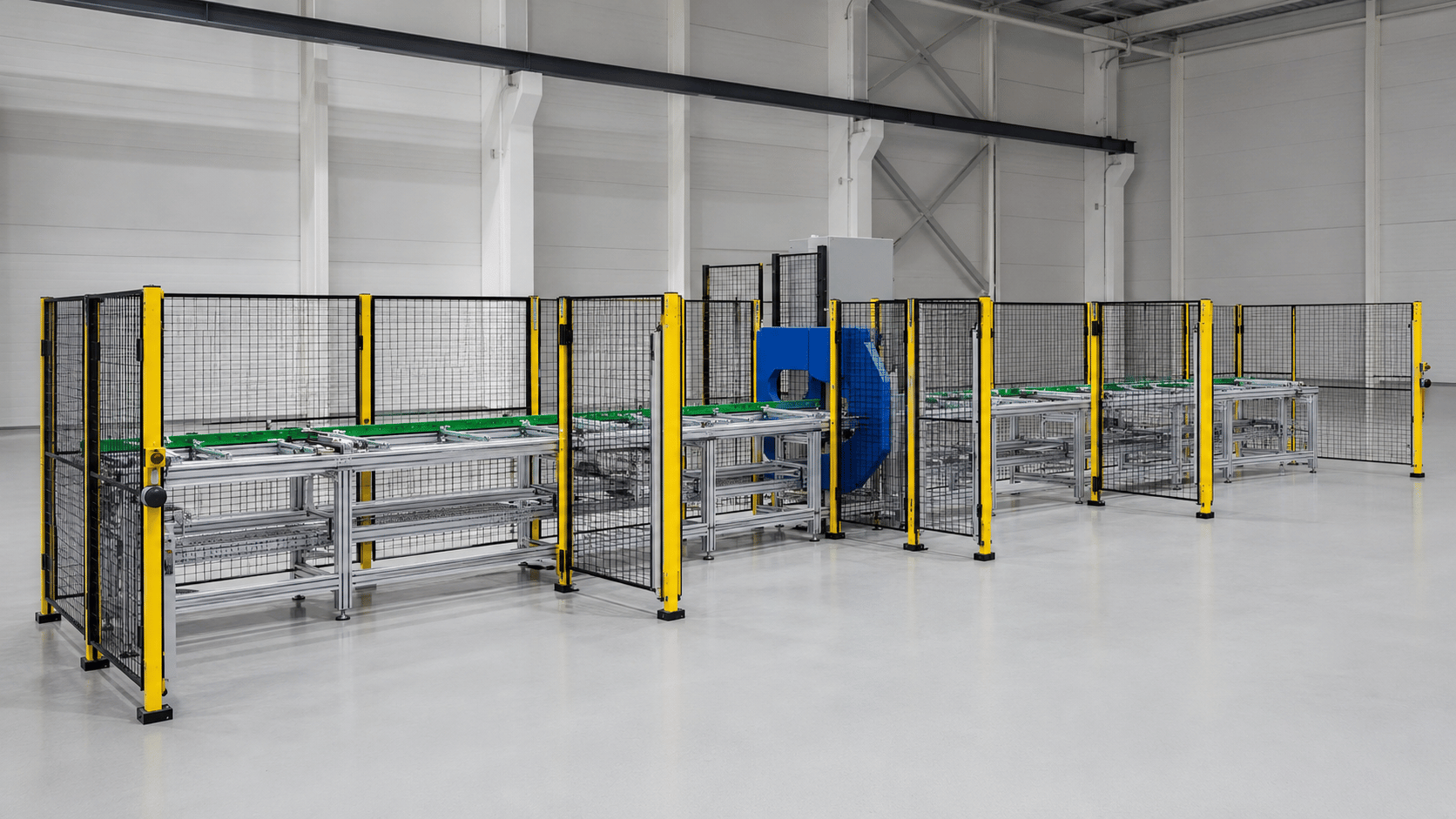
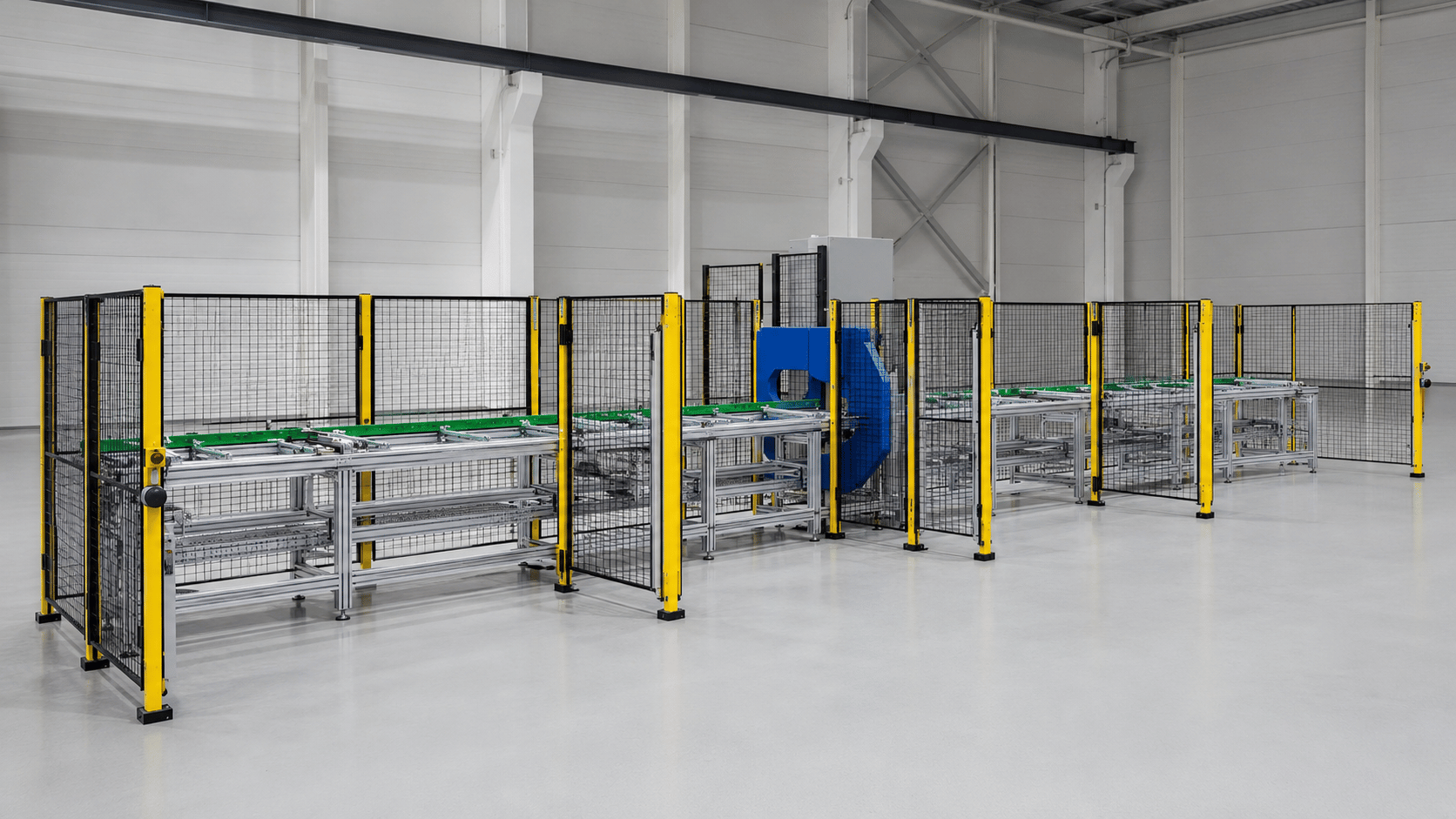
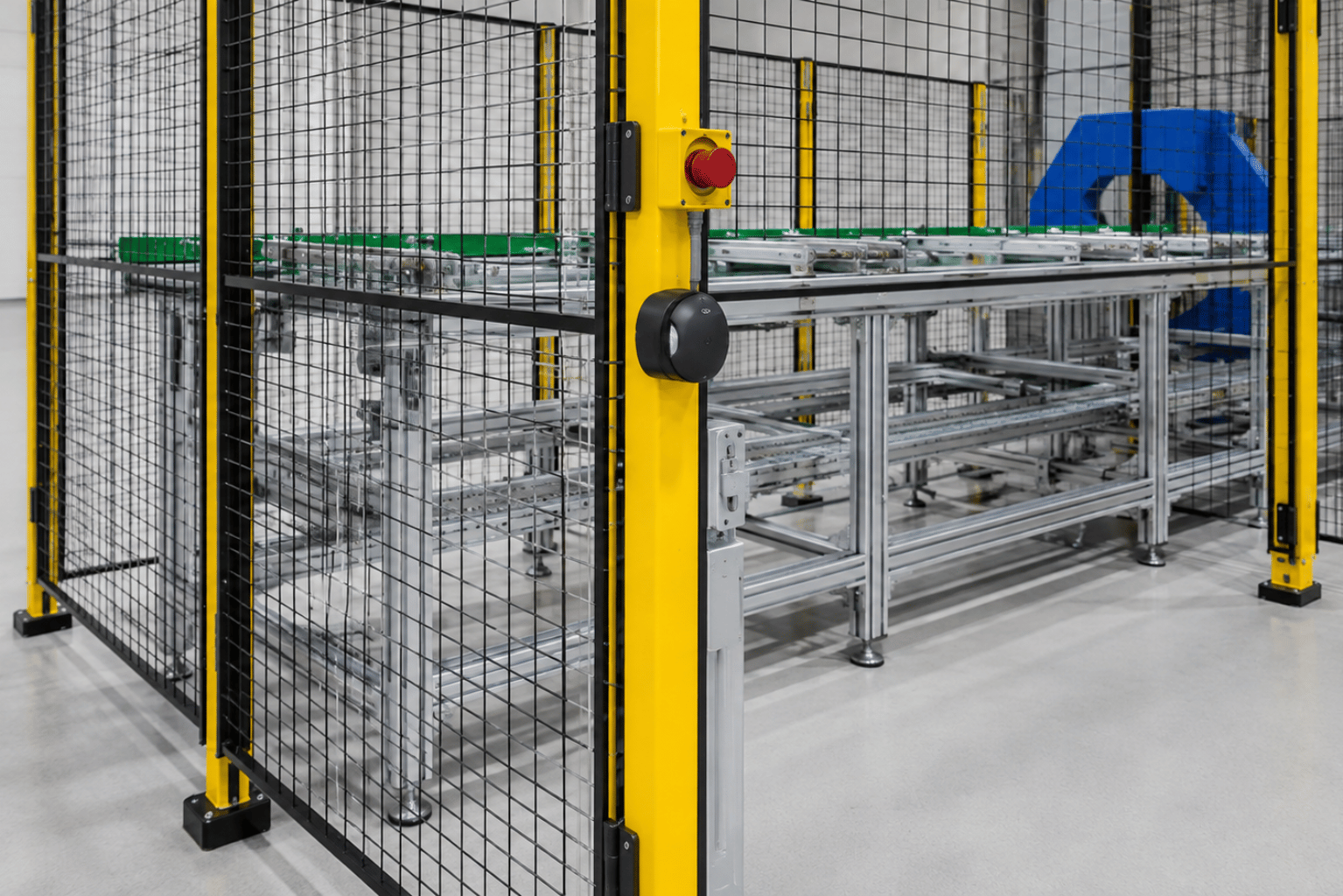
The entire line is enclosed by safety guarding and complies with all applicable regulatory requirements, including CE marking.

Our solution

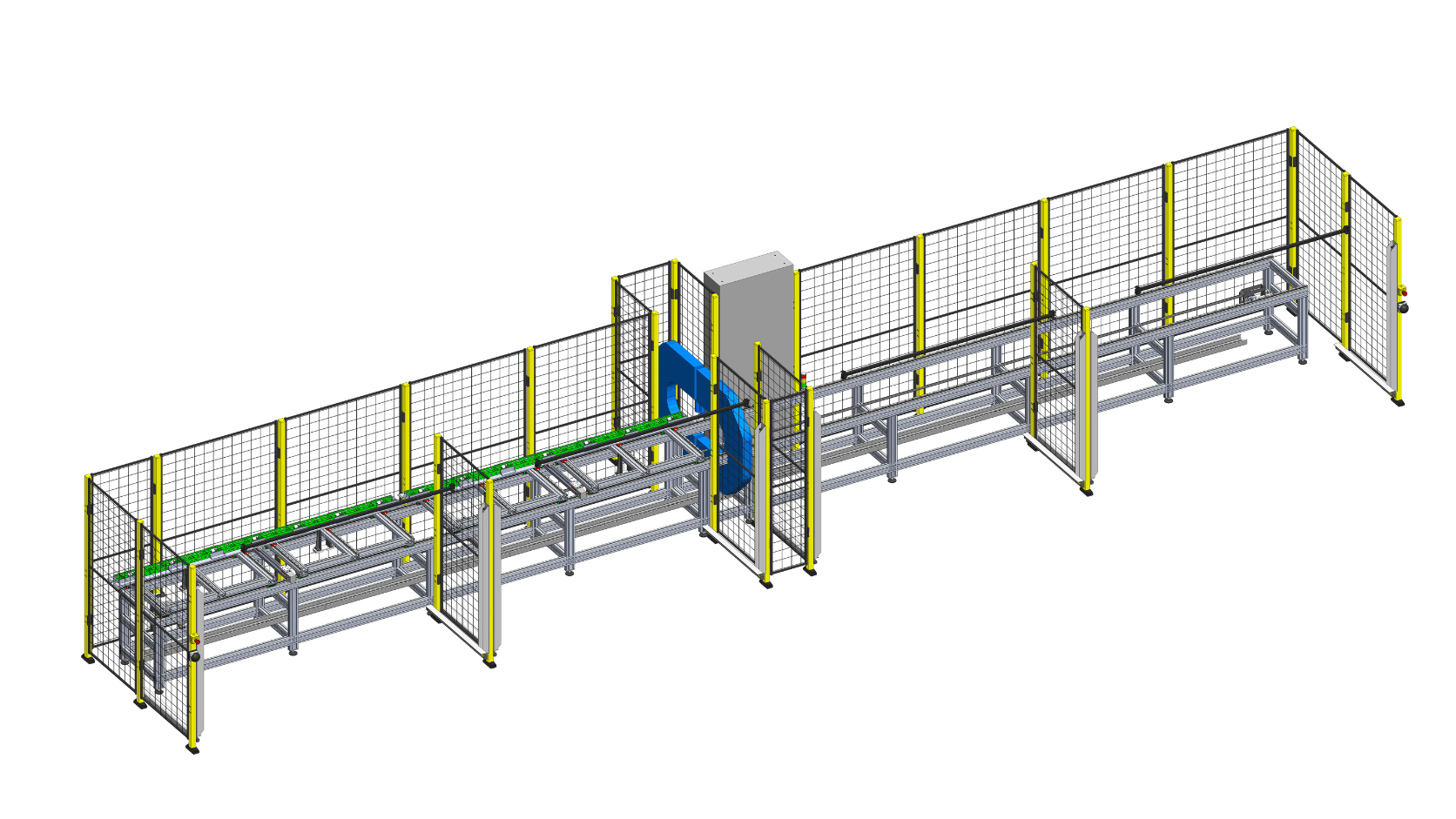
The system operates by alternating between two workstations. While the automated clinching process is performed on one table, the operator simultaneously loads components onto the other. Once the operation is complete, the tables automatically switch positions, allowing production to continue without interruption. The entire workstation is enclosed by safety guarding and designed with operator ergonomics in mind.

Two clinching presses positioned opposite each other

Linear guide system for the preparation tables

Pneumatic clamps for securing components

Preparation tables constructed from aluminium profiles

Safety guarding with access doors

Control cabinet with control electronics

Declaration of Conformity and CE marking

Result

  • Significant increase in production capacity
  • Elimination of downtime between operations
  • Efficient utilisation of both the operator and the equipment
  • Consistent and repeatable joint quality
  • Safe operation in compliance with EU standards

Automating this key operation reduced production costs and eliminated repetitive manual work for the operator. Thanks to the controlled process, joint quality remains consistent from one component to the next.
Let’s design a
solution for your
operation

From initial concept to full-scale implementation, we provide the technical expertise your operation demands

Secret Link
linkedin facebook pinterest youtube rss twitter instagram facebook-blank rss-blank linkedin-blank pinterest youtube twitter instagram